A strong roof does more than shield your property from rain and wind. It also plays a major role in maintaining a healthy indoor environment. One critical factor many homeowners overlook is roof ventilation. Without proper airflow, a roofing system can face moisture issues, heat buildup, and reduced lifespan.
Understanding the importance of roof ventilation for your home helps you protect your investment while improving comfort and energy efficiency.
What Is Roof Ventilation?
Roof ventilation is a system that allows fresh air to enter and stale air to leave the roof space. This continuous airflow helps regulate temperature and moisture levels inside the attic or roof cavity.
A well-designed ventilation system works throughout the year. During summer, it removes excessive heat. During colder months, it reduces moisture accumulation that can damage roofing materials.
Why Roof Ventilation Matters
Proper ventilation delivers several benefits that impact both your roof and living space.
Prevents Excess Heat Buildup
During warmer periods, heat can become trapped beneath the roof. As temperatures rise, your cooling system works harder to maintain comfort.
Roof ventilation allows hot air to escape efficiently. Consequently, indoor temperatures remain more manageable, reducing strain on air conditioning systems.
Controls Moisture Levels
Moisture is one of the biggest threats to any roofing structure. Everyday activities such as cooking, bathing, and laundry create water vapour.
Without adequate ventilation, moisture becomes trapped within the roof space. Over time, this can lead to mould growth, timber decay, and insulation damage.
Extends Roof Lifespan
Roofing materials perform best when temperature and moisture levels remain balanced. Excessive heat and damp conditions accelerate wear and tear.
Proper airflow helps roofing components remain in better condition for longer periods. Therefore, homeowners often enjoy fewer repairs and longer roof life.
Improves Energy Efficiency
A cooler attic means less heat transfers into living areas. As a result, cooling systems require less energy to maintain comfortable temperatures.
Lower energy usage can help reduce utility costs while supporting a more environmentally friendly home.
Signs Your Roof Ventilation May Be Inadequate
Several warning signs indicate ventilation problems.
- Excessive heat in upper rooms
- Condensation inside roof spaces
- Damp insulation
- Mould growth
- Musty odours
- Peeling paint near ceilings
- Increased energy bills
If you notice any of these issues, a professional roof inspection can identify underlying ventilation concerns.
Roof Ventilation Benefits Overview
Benefit | Impact on Your Home |
Heat Reduction | Keeps roof spaces cooler during warm weather |
Moisture Control | Reduces condensation and mould risk |
Energy Savings | Improves cooling efficiency |
Roof Protection | Extends roofing material lifespan |
Indoor Comfort | Creates a more consistent living environment |
Structural Preservation | Helps protect timber and insulation |
Common Types of Roof Ventilation
Different roofing systems require different ventilation solutions.
Ridge Vents
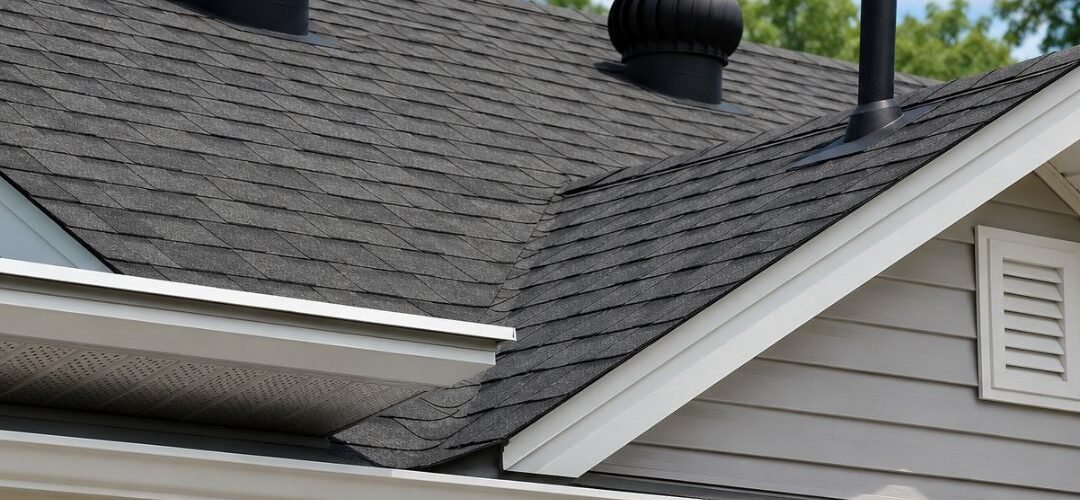
Installed along the roof peak, ridge vents allow warm air to exit naturally. They provide continuous airflow across the roof structure.
Soffit Vents
These vents are positioned beneath roof overhangs. They introduce fresh air into the attic, supporting balanced ventilation.
Roof Vents
Roof vents create exit points for warm air. They work alongside intake vents to maintain effective circulation.
Mechanical Ventilation Systems
Some properties benefit from powered ventilation systems. These units actively move air through the roof space when natural airflow alone is insufficient.
How Roof Ventilation Protects Your Home Throughout the Year
Summer Protection
Roof spaces can become extremely hot during sunny weather. Ventilation removes trapped heat, helping maintain lower attic temperatures and improved indoor comfort.
Winter Protection
Cold weather can increase condensation risks. Ventilation helps remove moisture before it causes damage to insulation, timber, or roofing materials.
As a result, your roof remains healthier regardless of seasonal conditions.
Why Professional Assessment Is Important
Every property has unique roofing characteristics. Factors such as roof design, insulation levels, and local climate influence ventilation requirements.
A professional roofing contractor can assess airflow performance and recommend suitable solutions. This ensures your ventilation system functions efficiently while protecting your home for years to come.
Choose City & County Roofing for Expert Roofing Solutions
Proper roof ventilation is an essential part of a durable and efficient roofing system. Whether you need a roof inspection, ventilation improvements, repairs, or a complete roof replacement, City & County Roofing provides reliable expertise and high-quality workmanship.
Our experienced team helps homeowners maintain healthier roofs, lower energy costs, and long-lasting protection. Contact City & County Roofing today for professional advice and trusted roofing services.
Frequently Asked Questions
How does roof ventilation improve energy efficiency?
Roof ventilation removes excess heat from roof spaces. Consequently, cooling systems use less energy, helping reduce utility costs.
Can poor roof ventilation cause mould?
Yes. Inadequate airflow allows moisture buildup, which creates ideal conditions for mould growth and structural damage.
Does every home need roof ventilation?
Yes. Proper ventilation supports temperature control, moisture management, and roof longevity in virtually every residential property.
How often should roof ventilation be checked?
A professional inspection every few years, or following major roofing work, helps ensure ventilation systems continue functioning effectively.
Can roof ventilation extend roof life?
Absolutely. Balanced airflow reduces heat and moisture damage, helping roofing materials remain in better condition for longer periods.